
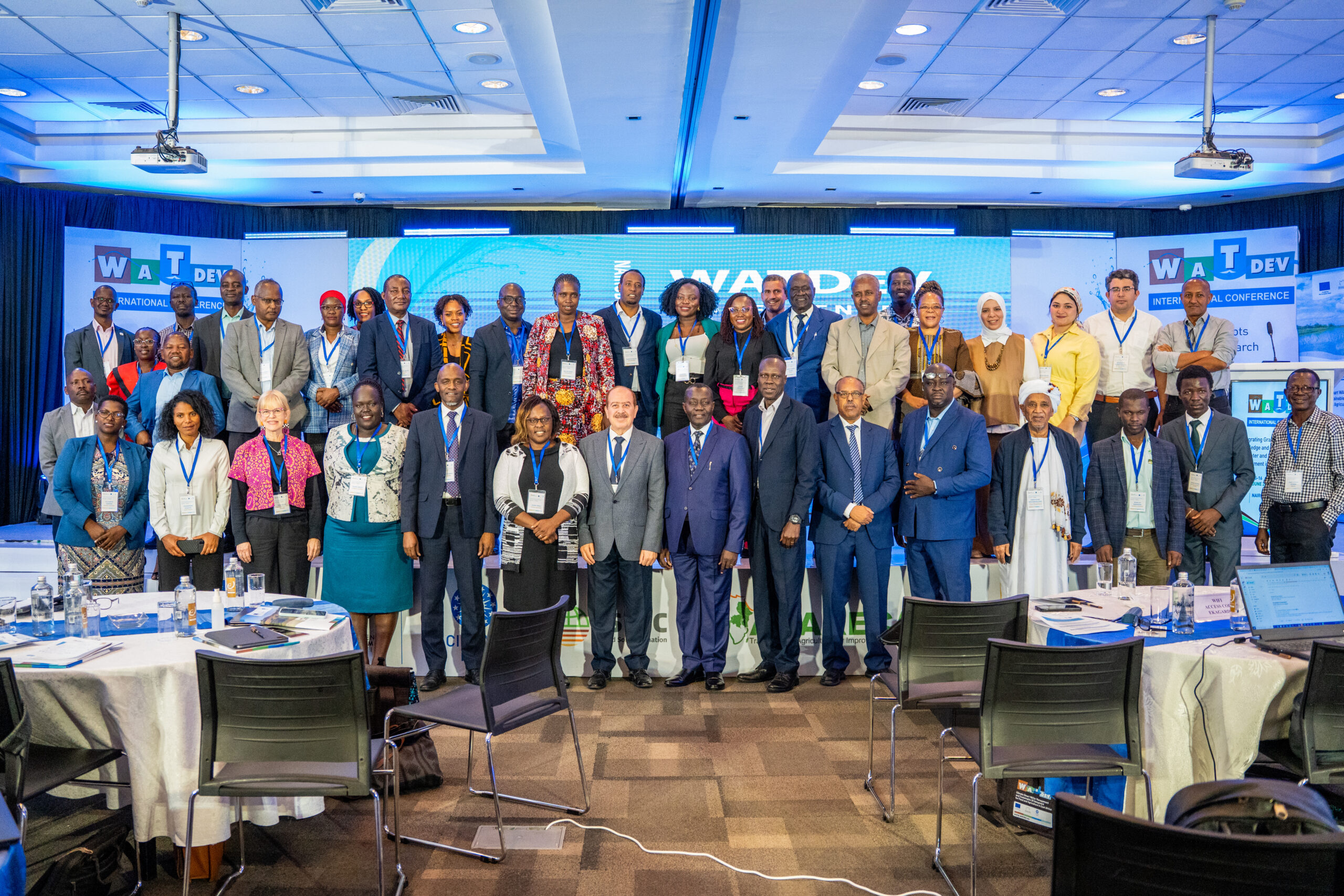
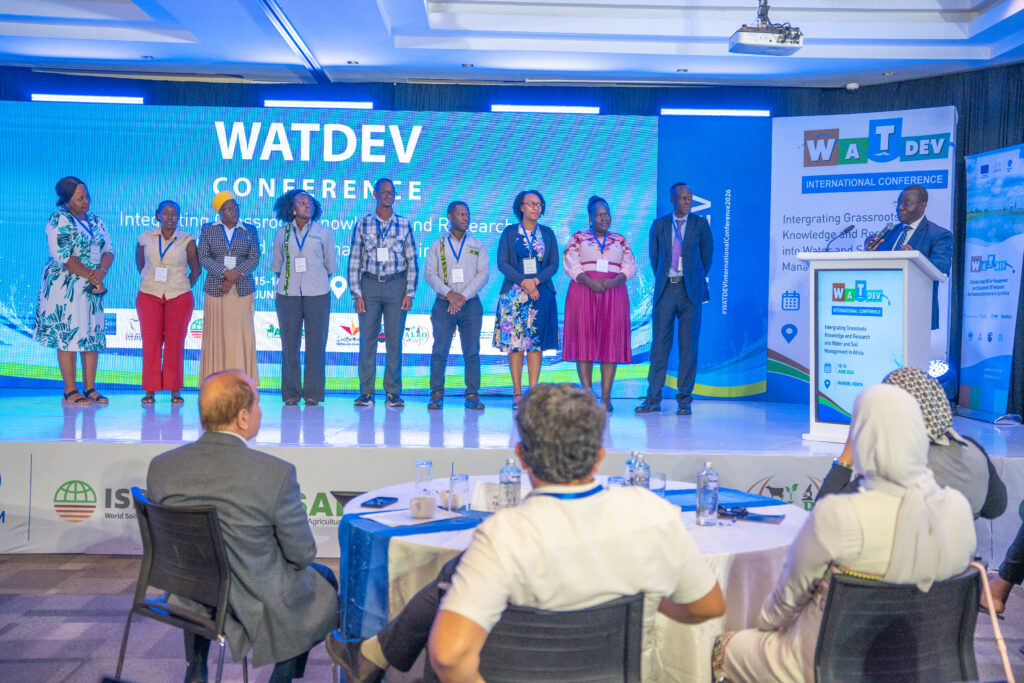
After four years of scientific collaboration, innovation, research, capacity building, knowledge exchange and policy dialogue across Africa and Europe, the WATDEV Project celebrated the successful conclusion of its journey with the Final International Conference, held in Nairobi, Kenya, on 15–16 June 2026 in a hybrid format.
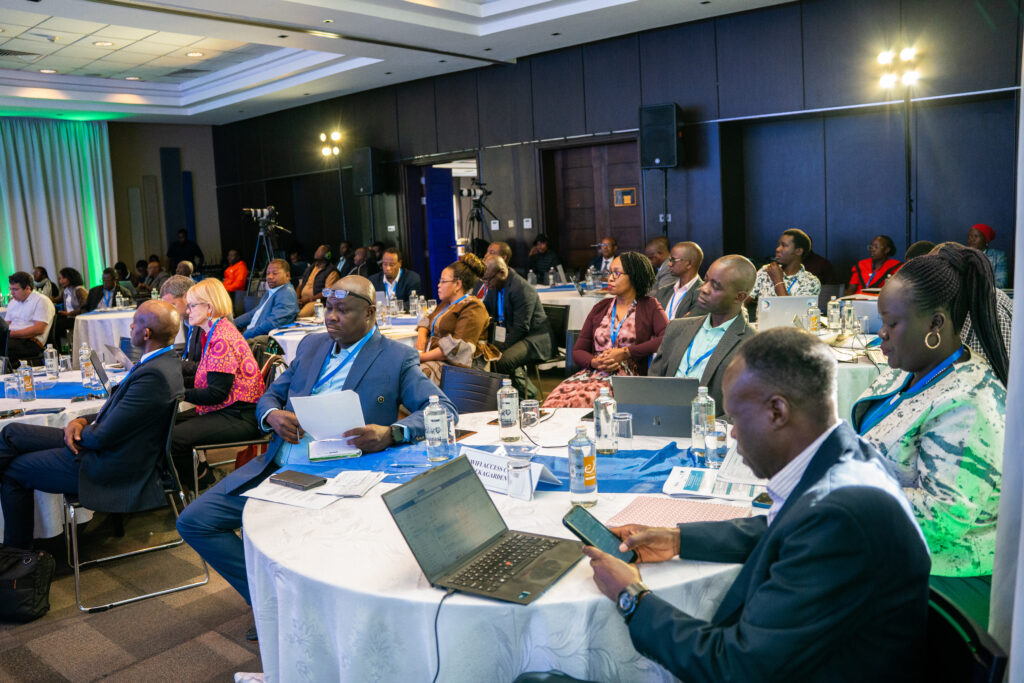
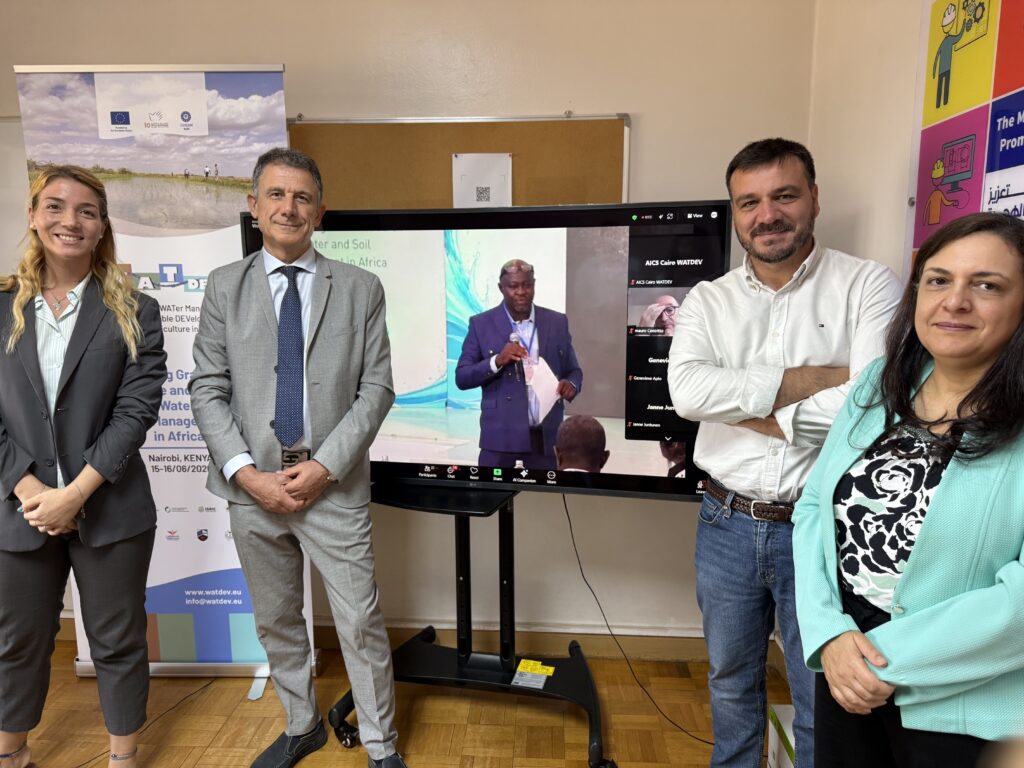
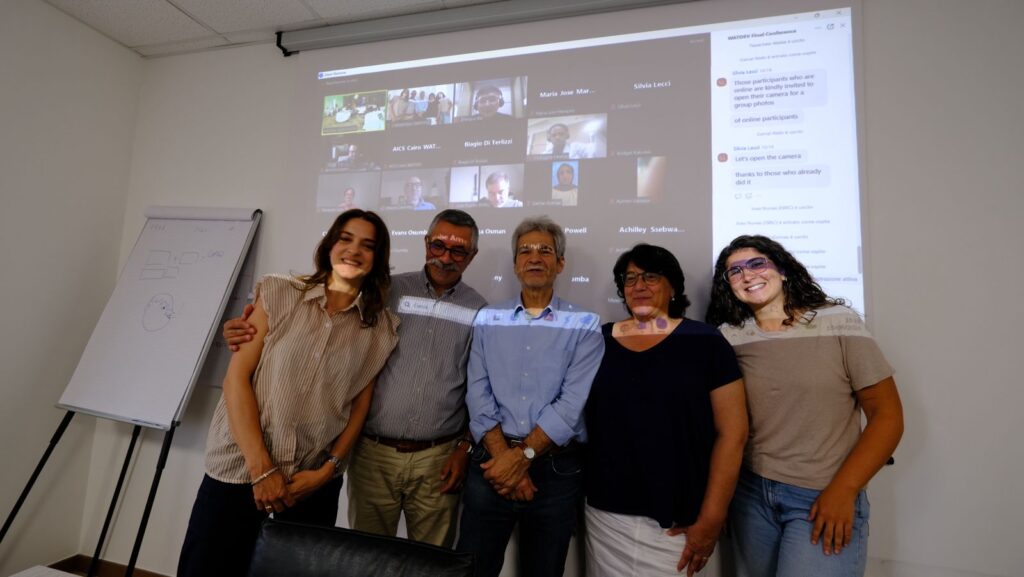
Bringing together around 80 participantsfrom Africa and Europe, the conference welcomed attendees in person in Nairobi while also connecting participantsonline from Cairo, Bari and many other locations across Africa and Europe. Researchers, policymakers, government representatives, development partners, international organizations, DeSIRA project coordinators, technical experts, farmers and local stakeholders came together around the general theme of the Conference “Integrating Grassroots Knowledge and Research into Water and Soil Management in Africa”, while celebrating not only the achievements of WATDEV but also the partnerships and shared vision that have shaped WATDEV Journey since its launch.
More than a closing event, the conference demonstrated how four years of collaboration have contributed to addressing some of the most pressing challenges that African agriculture is facing, including climate change, land degradation, water scarcity and food insecurity. Throughout the two-day programme, participants reaffirmed a common vision: resilient agricultural systems can only be built by connecting scientific research, local knowledge, innovative decision-support tools and effective policies.
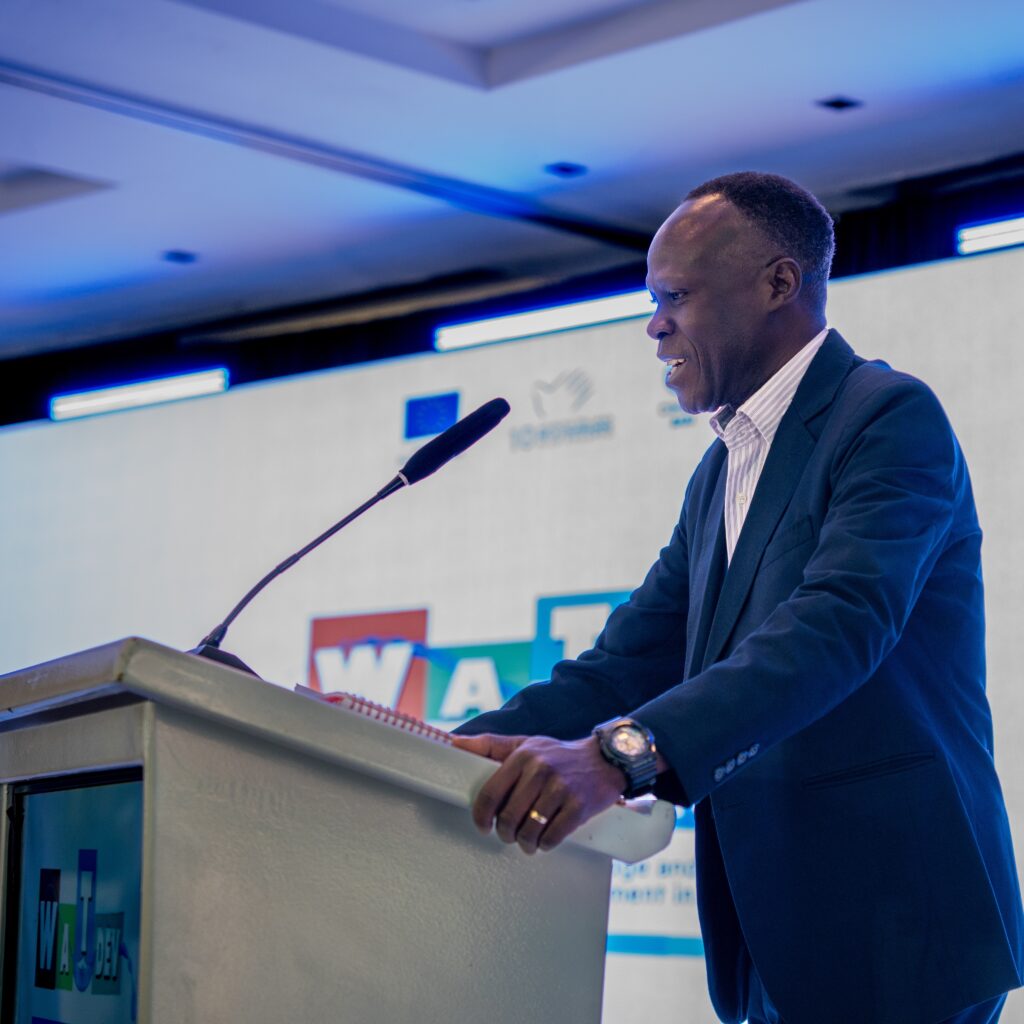
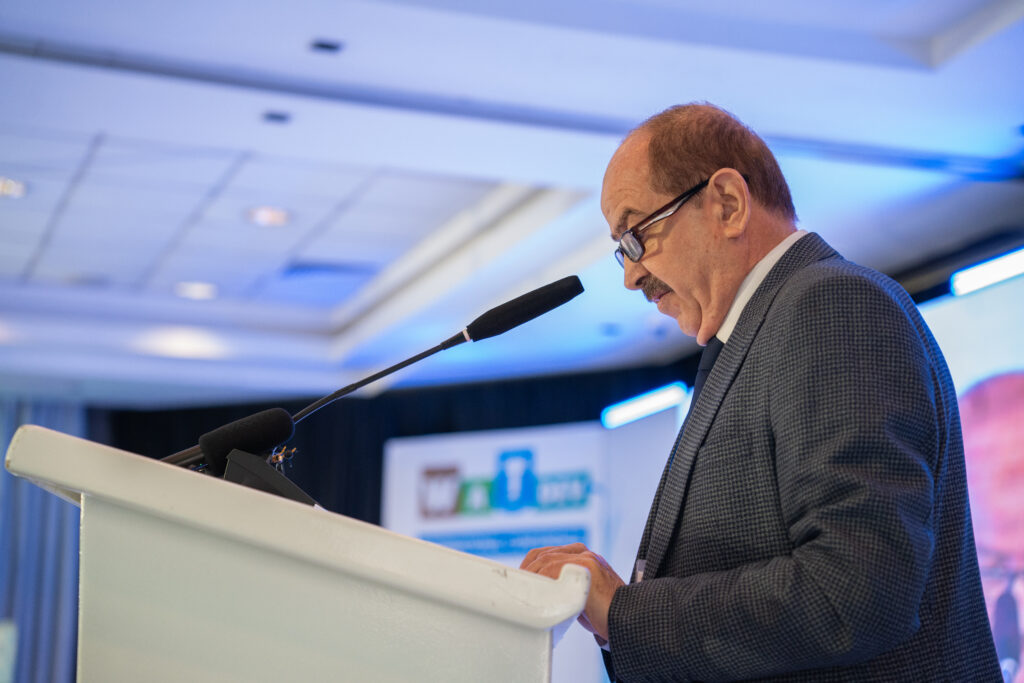
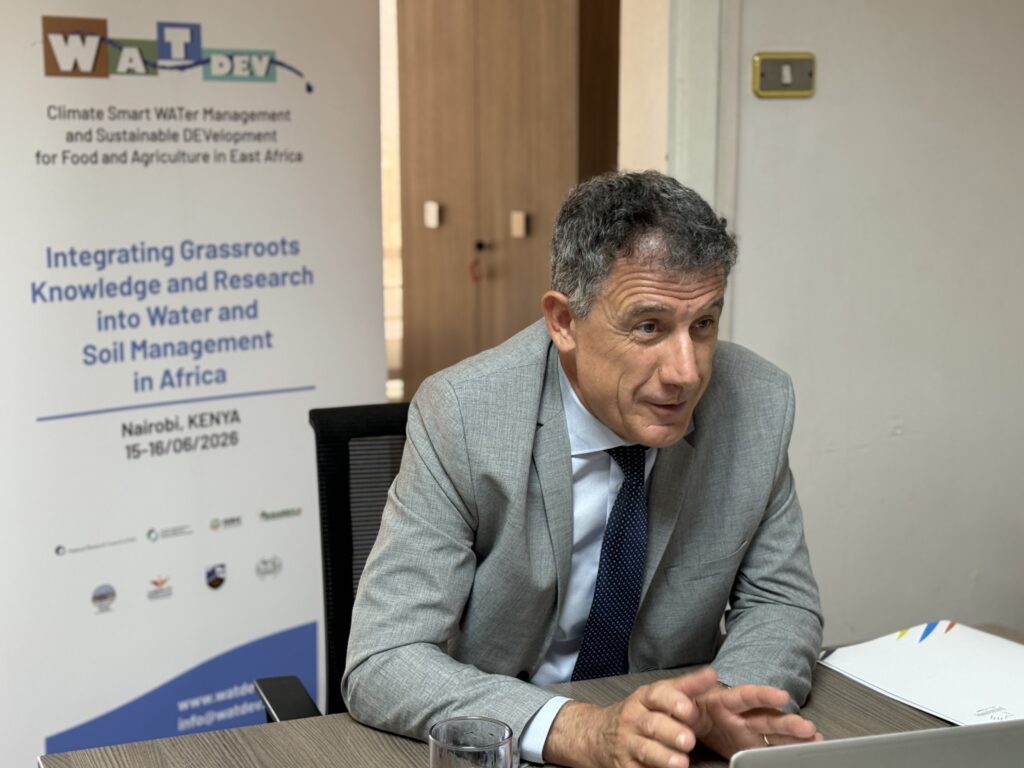
Opening Remarks: Celebrating Partnerships and a Shared Vision
The conference opened with remarks from representatives of the institutions leading and supporting WATDEV, all emphasizing collaboration as the foundation for sustainable impact.
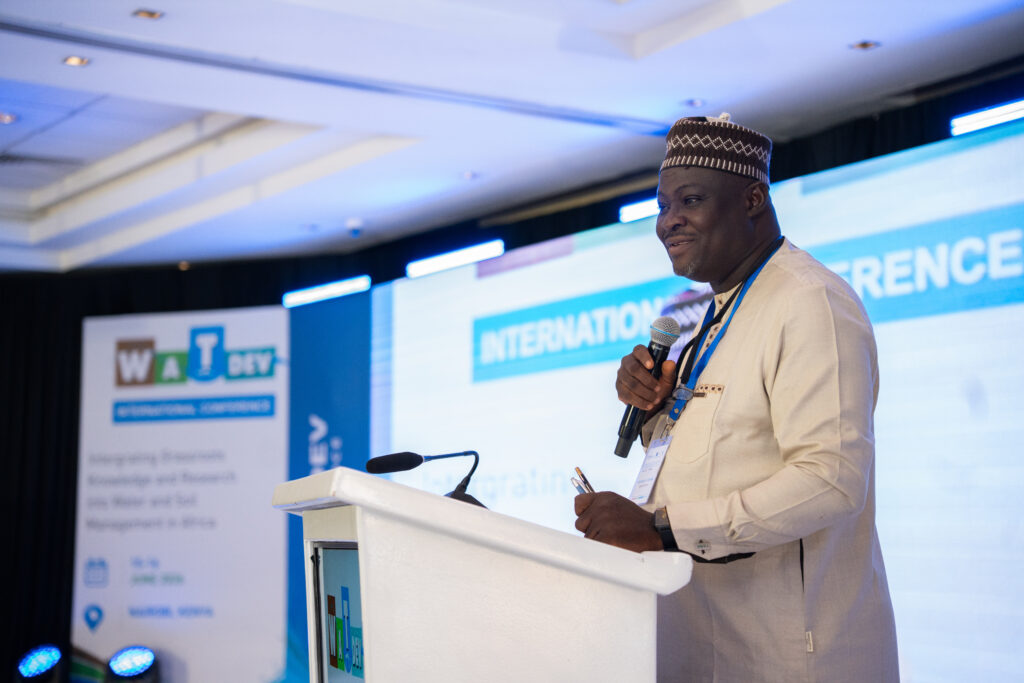
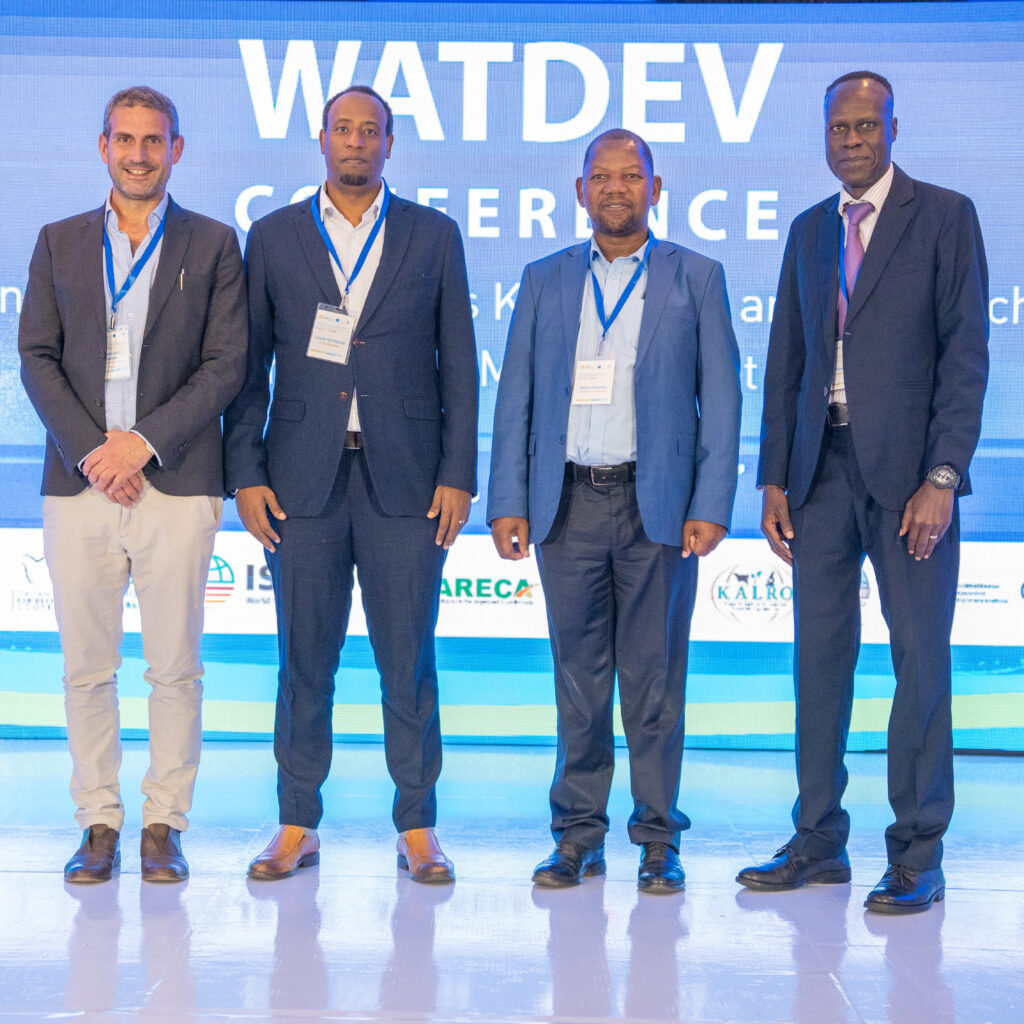
Welcoming participants, Mr. Moses Odeke, from ASARECA, reflected on WATDEV’s four-year journey, highlighting the partnerships, knowledge and lasting impacts created through the project.
Officially opening the conference, Dr. Sylvester Dickson Baguma, Executive Director of ASARECA, stressed the importance of integrating scientific research with local knowledge to develop practical soil and water management solutions. Prof. Alaa Elbably, Advisor to the Egyptian Minister of Agriculture, called for translating the conference recommendations into concrete actions that benefit farming communities. Dr. Tiberio Chiari, Head of AICS Cairo, emphasized local ownership, partnership and sustainability as the guiding principles of WATDEV. Concluding the opening session, Dr. Biagio Di Terlizzi, Director of CIHEAM Bari, presented the WATDEV Toolbox as the project’s flagship legacy, describing it as a practical decision-support tool for evidence-based water and land management.
Day One: Science Meets Collaboration
The first day set the stage for discussions on how science, innovation and collaboration can accelerate sustainable water and soil management across Africa.
Through inspiring keynote addresses, Prof. Victor Ongoma (Mohammed VI Polytechnic University) and Prof. María José Márquez Pérez (Autonomous University of Madrid) highlighted the growing impacts of climate change on Africa’s agriculture, and emphasized that future resilience will depend on combining scientific research with local knowledge and climate-smart practices.
The dialogue then expanded beyond WATDEV, bringing together representatives from several DeSIRA-funded projects across Africa to exchange experiences on Best Management Practices (BMPs), landscape management, institutional capacity building and policy integration. While each project addressed different regional challenges, a common message emerged: sustainable agricultural transformation requires stronger partnerships, farmer engagement, effective extension services and evidence-based policymaking.
Wrapping up the first day, Dr. Claudio Bogliotti, from CIHEAM Bari, highlighted the principles that have guided WATDEV throughout its four-year journey, co-creation, capacity building, modelling, healthy soils and the scaling of successful Best Management Practices, calling for these lessons to inform future policies and investments across the continent.
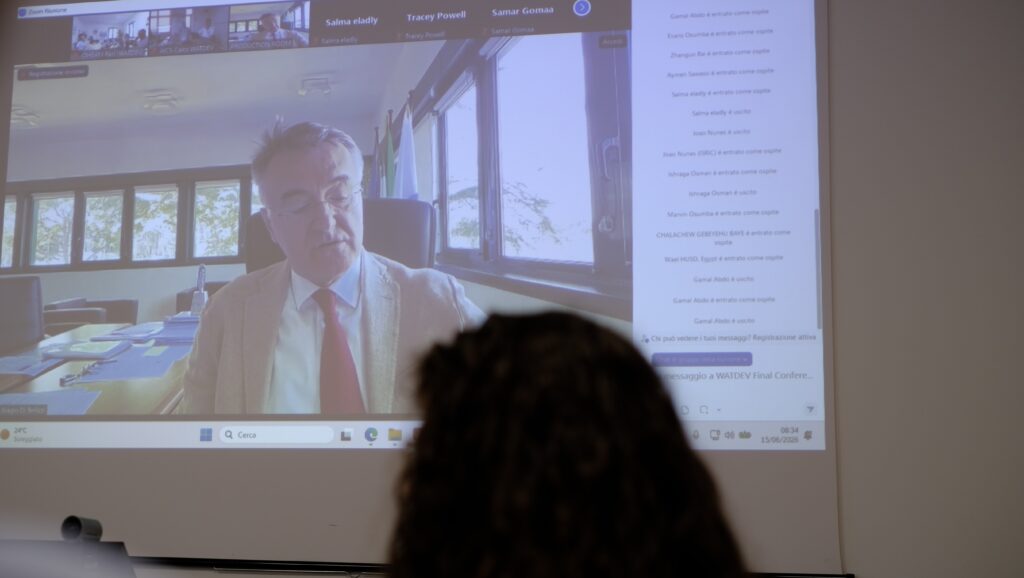
Day Two: Turning Knowledge into Action
Building on the scientific discussions of the previous day, the conference shifted its focus towards policy, institutional uptake and the long-term sustainability of WATDEV’s achievements.
The day commenced with remarks by Dr. Christophe Larose, Head of Sector at the European Commission’s DG INTPA, praised WATDEV as a successful example of the DESIRA initiative, recognizing its capacity to build a strong community of professionals working together on agricultural research and innovation through partnerships, knowledge management and practical solutions. He encouraged partners to continue working together to ensure the long-term adoption of the WATDEV Toolbox.
Two high-level policy panels brought together leading experts and decision-makers to discuss the future of sustainable agriculture in Africa.
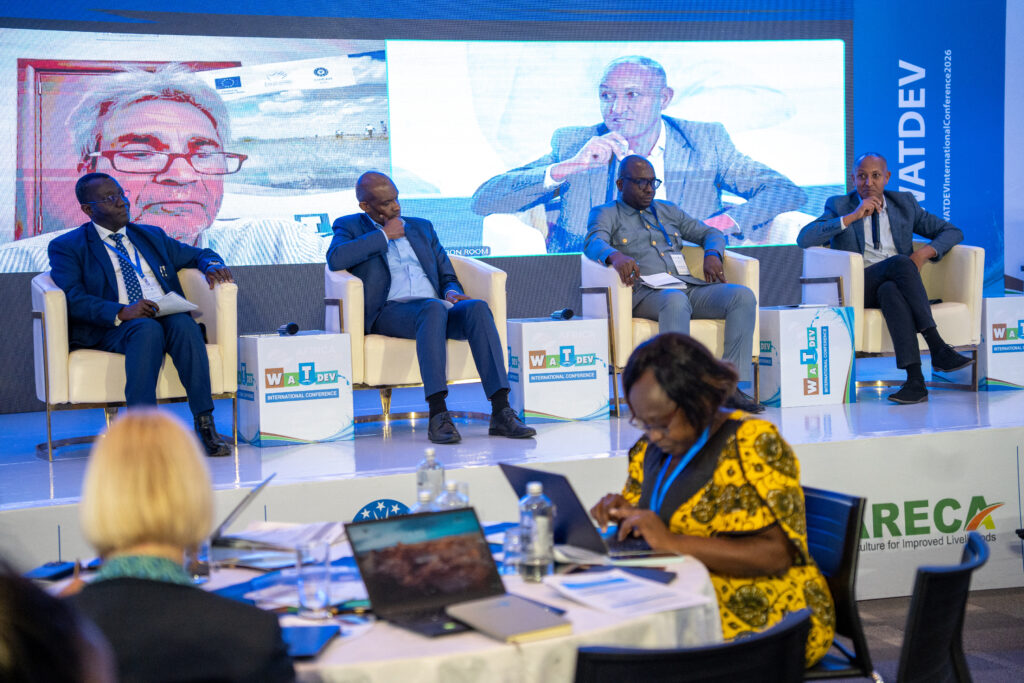
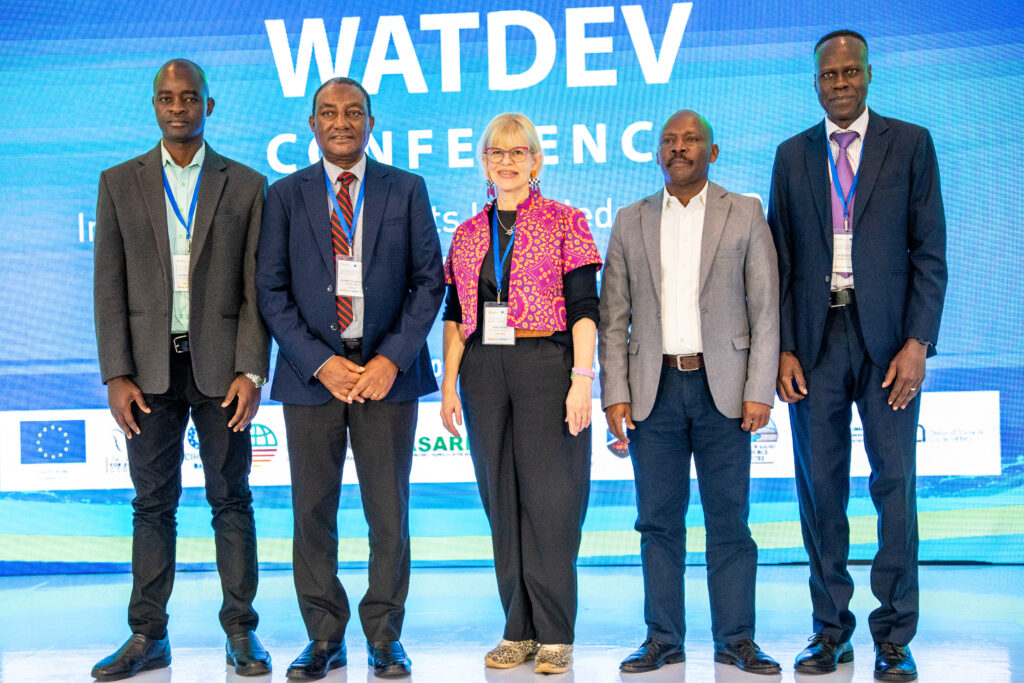
Moderated by Dr. Ayam Ayad (EEAS Cairo), the first panel on Climate Change Adaptation and Food Security featured Prof. Wole Fatunbi (FARA), Prof. J.J. Muhinda Mobingaba (AGRA), Hon. Tewache Abebe Ato (Government of Ethiopia), Prof. Alaa Elbably (Ministry of Agriculture, Egypt) and Dr. Lilian Lihasi (AFAAS). Their discussions emphasized that improving soil health, strengthening extension systems and investing in climate resilience are essential to moving proven solutions from pilot projects to large-scale adoption.
The second panel, Scenario Modelling and Cross-Border Data Exchange, moderated by Dr. Claudio Bogliotti (CIHEAM Bari), brought together Dr. Sylvester Dickson Baguma (ASARECA), Dr. Agrey Agumya (FARA), Dr. Komla Kyky Ganyo (CORAF) and Dr. Erimias Betemariam(CIFOR-ICRAF) to explore how the WATDEV Toolbox can become a long-term resource for national and regional planning. Discussions highlighted the need for stronger institutional ownership, harmonized data sharing, technical capacity development and sustainable financing to maximize the Toolbox’s impact.
Building a Legacy Beyond the Project
The conference concluded by looking beyond the project’s lifetime, focusing on the future of the WATDEV Toolbox as its flagship legacy. Prof. João Nunes Carvalho from ISRIC, showcased the Toolbox’s capabilities before leading participants through collaborative group discussions to develop practical roadmaps for its long-term institutionalization, addressing governance, financing, capacity development and knowledge-sharing mechanisms.
The event concluded with closing reflections from key WATDEV partners, including Prof. Alaa Elbably (Stakeholder Forum), Ms. Tsepa Mathabo (SROs), Dr. Agrey Agumya (FARA), Dr. Jacopo Tavasi (AICS Cairo), Dr. Claudio Bogliotti (CIHEAM Bari) and Dr. Sylvester Dickson Baguma (ASARECA). Together, they reflected on the achievements of the past four years while reaffirming their commitment to sustaining the partnerships, knowledge and tools developed through WATDEV.
As discussions came to a close, one message resonated throughout the conference: WATDEV’s greatest achievement is not only the knowledge it has generated, but the community it has built. Over four years, the project has strengthened partnerships between African and European institutions, advanced evidence-based decision-making and created innovative tools that will continue supporting sustainable water and soil management long after the project’s formal conclusion.
Funded by the European Union under the DeSIRA Initiative, WATDEV stands as a testament to the power of international cooperation in addressing shared environmental and agricultural challenges. The consortium extends its sincere appreciation to ASARECA and KALRO for the outstanding organization and warm hospitality that made the Final International Conference in Nairobi a great success, and to all WATDEV partners, Italian Agency for Development Cooperation (AICS Cairo), CIHEAM Bari, ISRIC, SYKE, CNR, WLRC, Heliopolis University and WRC for their commitment, collaboration and dedication throughout the project’s duration. Together, they have built a lasting legacy that will continue supporting resilient agriculture and sustainable natural resource management across Africa.


